
Justice-Impacted Students Deserve Protection
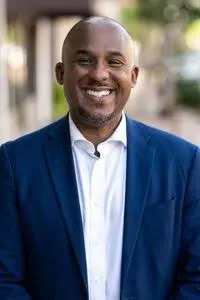
By Andre Anderson
Writer/Reporter
Minnesota State has made a commitment to serving justice-impacted students. Today, more than 200 incarcerated students are taking college courses through Minnesota State colleges and universities. Over the next two years, the Minnesota Consortium on Higher Education in Prison hopes to expand that number significantly, with a goal of reaching 1,000 students. At the same time, students are being released from prison every day and enrolling in college for the first time or continuing degrees they began while incarcerated.
This growth should be celebrated.
But it also raises an important question: If Minnesota State is committed to educating justice-impacted students, why aren’t justice-impacted students protected under Minnesota State Board Policy 1B.1?
As a public institution, Minnesota State exists to serve the people of Minnesota. That includes people who are incarcerated, people returning from incarceration, and people whose lives have been shaped by involvement with the justice system. Yet for far too long, the struggles facing justice-impacted students have been overlooked or dismissed as isolated problems affecting only a small number of people.
They are not isolated problems anymore.
Minnesota State is investing millions of dollars and countless hours into making higher education accessible inside prisons and during reentry. Students are earning certificates, associate degrees, and bachelor’s degrees while incarcerated. Many will continue their education after release. Others will enter the workforce, transfer to universities, and become leaders in their communities.
As this population grows, so does the responsibility to protect its members.
For many justice-impacted students, college is not simply another educational experience. It is a lifeline. It is housing stability, employment opportunity, community connection, and a path toward a future that often seemed impossible while incarcerated. Yet the transition from prison to campus is filled with barriers that many students never see.
I experienced this firsthand.
Just one week after my release from prison, I walked into a financial aid office seeking help with student aid to pay for college. I was told that I was not eligible for financial aid because the system indicated that I was currently incarcerated.
I remember looking across the counter and saying, “I’m free now.”
The response was simple: according to the system, I was not.
The employee was not malicious. They were not trying to discriminate against me. The problem was not hate. The problem was ignorance. If people do not understand the unique challenges facing a group, it becomes difficult to recognize and address their needs.
That experience is hardly unique.
Justice-impacted students often encounter policies, systems, and assumptions that were never designed with them in mind. They face obstacles that other students rarely consider, from correcting records and accessing financial aid to overcoming the stigma associated with a criminal record. These challenges exist long after a sentence has been completed.
I know because I have lived both sides of this experience. I earned my associate and bachelor’s degrees while incarcerated through Minnesota State programs. Today, I am pursuing a master’s degree after my release. I also serve as the MSUSA President at Metro State University.
My story is proof that higher education works.
But success should not depend on whether someone is fortunate enough to find the right mentor, advocate, or administrator willing to help navigate a system that was not built for them.
Justice-impacted students deserve recognition within the same framework Minnesota State uses to protect other vulnerable student populations. Adding justice-impacted status to Board Policy 1B.1 would not create special treatment. It would acknowledge the reality that these students face unique barriers and deserve protection from discrimination as they pursue their education.
For students who have spent years living under policies and rules that controlled every aspect of their lives, it is time for those policies and rules to do something different.
It is time for them to provide protection.
Minnesota State has already recognized that justice-impacted students belong in our classrooms. Now it is time to recognize that they deserve protection there as well.
Share this content:










Post Comment