‘Gachiakuta’: Finding Black culture in anime
By Sirius McDonell
Writer/Reporter
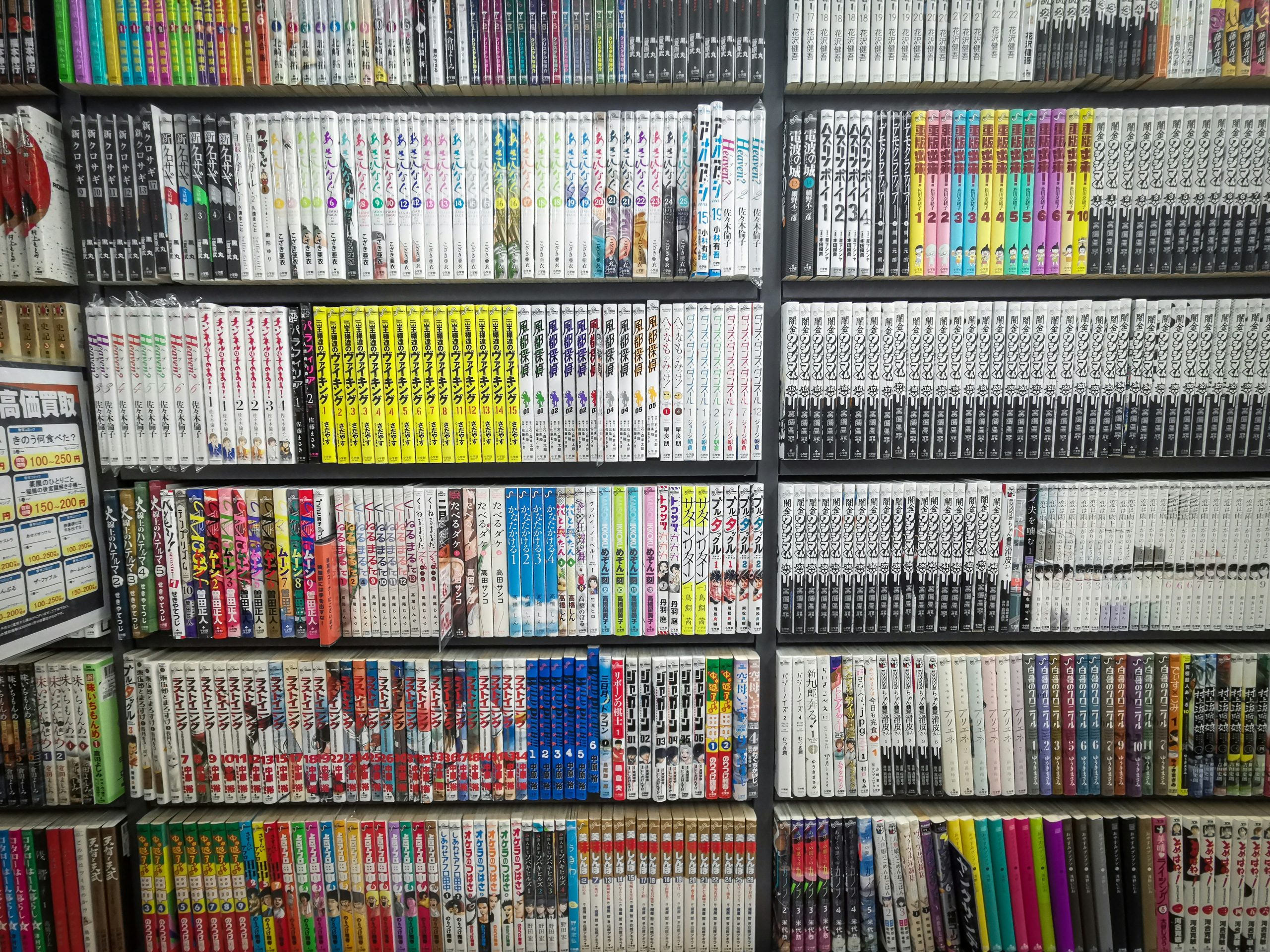
With the 2025 release of the “Gachiakuta” anime, what had once been a niche manga reached a wider audience. The series soon gained traction with audiences of different backgrounds for its distinct use of Gen Z slang and humor without being cringeworthy or over the top.
The animation style was both fresh and unique in the way it delivered flashy art and authenticity, particularly through its detailed depiction of graffiti. The score by Taku Iwasaki features music that, to me, echoes New Orleans bounce and adds another connection to Black culture. The creator of “Gachiakuta,” Kei Urana, also included characters whom I recognize as Black, with rich designs and backgrounds that do not rely on stereotypes. For me, seeing these elements in anime and manga is refreshing and a step toward normalizing Black characters in these fictional settings.
“Gachiakuta” follows Rudo Surebrec, a young teenager who is tossed into the Pit after being falsely accused of murdering his foster father figure. Below the Sphere, where Rudo grew up, he encounters a society that functions separately from his home. After being saved by Enjin, who becomes his mentor figure, Rudo is introduced to a ragtag group called the Cleaners. Their main job is to fight trash beasts, large monsters made of trash.
Along the way, Rudo discovers that the gloves he was gifted by his father figure hold special abilities and learns how to use them. Essentially, they work by conducting his energy through the gloves and into scraps of trash, which he can give new life by repurposing them to fight.
Classism is a central theme of the show, introduced as early as the first episode. There are two primary communities in the Sphere: the upper class and the tribesfolk. The upper class lives on one side of the Sphere, with access not just to wealth but also to fresh air and food. They want for nothing and do not need to worry about the essentials.
The tribesfolk live on the other side of the Sphere, separated from the upper class by a large wall. Their community comprises poorer individuals who live in the slums, where they struggle to get their hands on essential resources. They are frequently dressed in scraps and what are essentially the leftovers of what the upper class throws out. It is here that Rudo gains his affinity for repurposing items, doing his best with what he has.
These class struggles remind me of the barriers Black communities faced during the civil rights era, as well as inequalities that persist today. The show’s depiction of unequal access to resources invites viewers to think about how a person’s starting point can shape the opportunities available to them.
The series also touches on preserving and repurposing belongings, practices that resonate with me as part of Black communities’ resourcefulness and creative expression. Since powers and abilities are drawn from items that are close to a person and hold value in the show, it fits the theme when characters such as Enjin and Riyo wield weapons made from things they care about.
For example, Enjin fights with his well-loved umbrella, while Riyo fights with a pair of scissors. Rudo sees value in everything he touches, even seemingly meaningless trash. For him, the saying “one man’s trash is another man’s treasure” becomes literal. We see him breathe new life into old and forgotten items, giving them a second chance to help him progress throughout the show.
The soundtrack adds another layer to my appreciation of the series. Its energetic sound fits with the connections to Black culture that I see in “Gachiakuta.” Iwasaki’s track “Insolent Mouth,” for example, has a high-energy groove that captures the chaotic and silly side of the show’s characters.
Three characters stand out to me as Black representation: Corvus, Semiu and Jabber. Corvus is the leader of the Cleaners and keeps everyone in line. Semiu functions as the receptionist and holds down the Cleaners’ base when everyone is away. Jabber is an antagonist and a member of the opposing group, the Raiders.
All three have distinct designs and personalities that, to me, avoid racial stereotypes. Corvus is a Black man in a position of power, but he is also kind and has a soft side. Semiu is well-versed in combat, and her intelligence is valuable to the Cleaners’ missions. Jabber has an affinity for poisons and power, but he also has a comedic side that comes out while he fights.
Corvus, Semiu and Jabber add to the story in their own ways and highlight how simple it can be to include characters I recognize as Black without reducing them to caricatures or stereotypes.
“Gachiakuta” has also earned recognition beyond its fandom. It won best new series, best character design and best background art at the 2026 Crunchyroll Anime Awards.
Fan art, cosplay and fan-made songs offer more ways for viewers to celebrate the series. For me, the enthusiasm surrounding “Gachiakuta” adds to the experience of watching it. As a Black fan, its characters, music and art give me meaningful points of connection and make its representation feel personal.
Share this content:





Post Comment