Gaza’s Unfinished Catastrophe and The Evidence Behind Accusations of Genocide Against Palestinians
By James Berreth
Editor in Chief
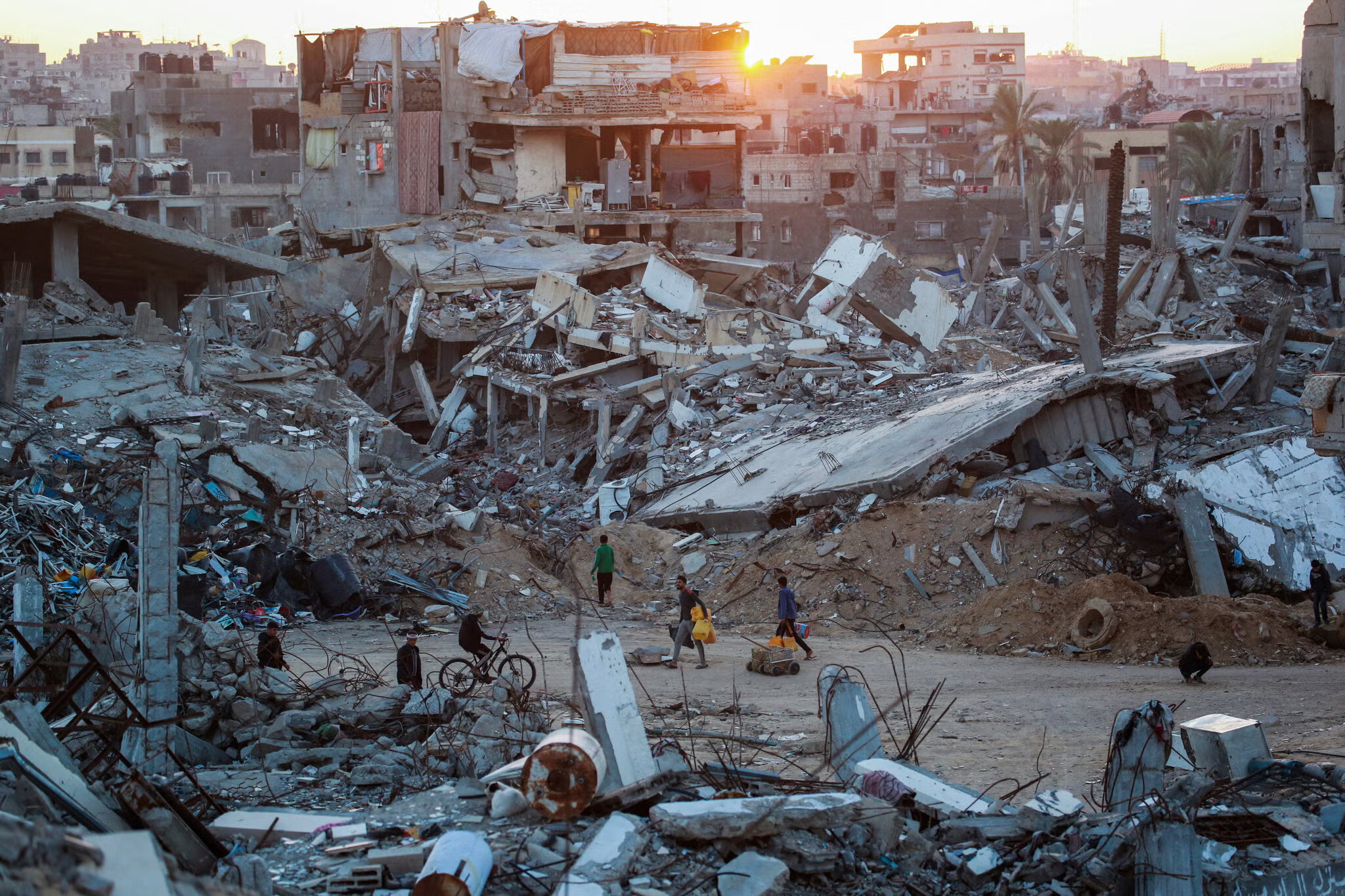
The devastation in Gaza has become one of the defining humanitarian and legal crises of the 21st century. For Palestinians, the war has meant mass death, repeated displacement, the destruction of homes and hospitals, severe food insecurity, and the collapse of essential services. For the international community, it has raised a fundamental question: When does a military campaign become an attempt to destroy a people, in whole or in part?
That question is no longer confined to activists, academics, or political debates. On Sept. 16, 2025, the United Nations Independent International Commission of Inquiry on the Occupied Palestinian Territory concluded that Israeli authorities and security forces had committed genocide against Palestinians in the Gaza Strip. The commission identified four of the five categories of prohibited acts under the 1948 Genocide Convention and found that the required intent to destroy Palestinians in Gaza, in whole or in part, had been established. The commission’s findings were published through the United Nations.
The finding represents a major development in the international assessment of the war. It also demands precision: the commission’s conclusion is distinct from a final judgment by the International Court of Justice (ICJ), where South Africa’s genocide case against Israel remains ongoing.
Nevertheless, the evidence examined by international investigators, combined with the continuing suffering of Palestinian civilians, makes the question of accountability impossible to dismiss.
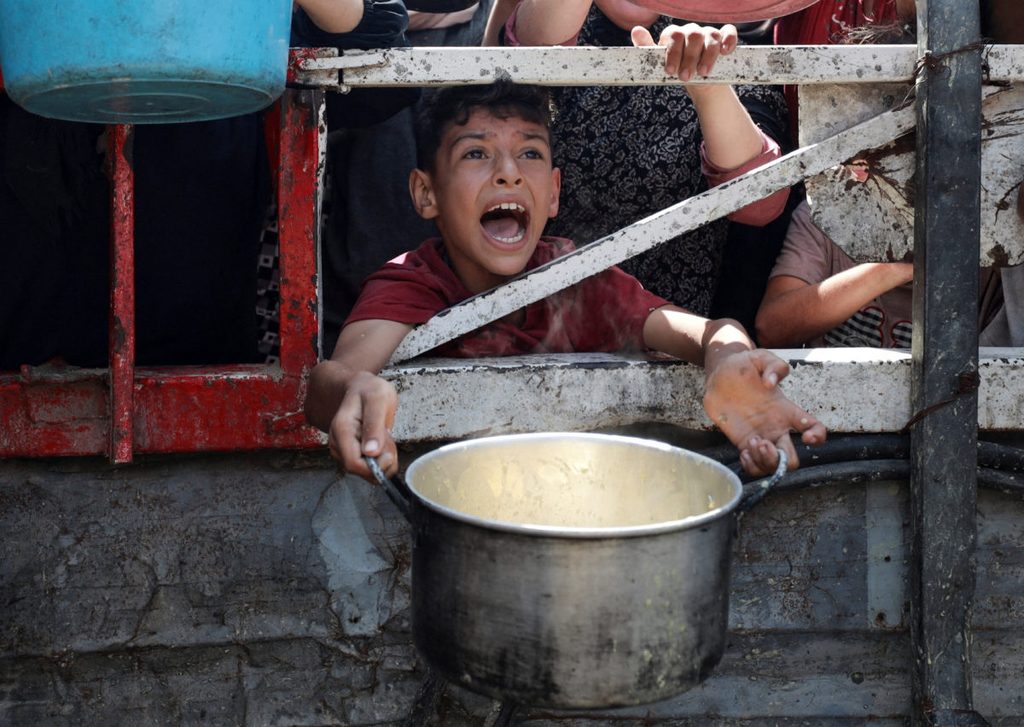
The announcement of a ceasefire on Oct. 10, 2025, raised hopes that Gaza’s population might finally begin recovering from two years of catastrophic warfare. Yet the cessation of large-scale fighting has not brought lasting security or adequate living conditions.
According to the U.N. Office for the Coordination of Humanitarian Affairs (OCHA), Israeli airstrikes, shelling, and gunfire continued to cause reported civilian casualties during the period covered by its October 2026 humanitarian reporting. Between Sept. 29 and Oct. 12, 2026, Gaza’s Ministry of Health reported 57 Palestinians killed and 319 injured. The U.N. Human Rights Office had independently verified 1,076 conflict-related deaths between the ceasefire announcement and the end of July 2026. These figures cover different reporting periods and verification standards. OCHA’s Oct. 15 humanitarian situation report documents the continuing danger.
The scale of the destruction extends beyond direct casualties. Families continue to live in makeshift shelters, damaged buildings, and overcrowded displacement sites. OCHA reported that approximately 950,000 displaced people were living in locations assessed as having medium to high flood risk, including more than 400,000 at high risk. Available shelter supplies could meet only a fraction of the needs of families preparing for the rainy season.
These conditions are not simply the aftermath of a war that has stopped. They reflect an ongoing humanitarian emergency in which civilians remain exposed to violence, homelessness, disease, and shortages of basic necessities.
The distinction matters as a ceasefire may reduce the intensity of combat; it does not itself restore the right to life, adequate food, safe housing, or medical treatment.
The genocide allegation rests on more than the number of Palestinians killed. Under international law, genocide encompasses specified acts committed with the intent to destroy, in whole or in part, a national, ethnic, racial, or religious group as such.
Those acts include killing members of the group, causing serious bodily or mental harm, deliberately inflicting conditions of life calculated to bring about its physical destruction, and imposing measures intended to prevent births.
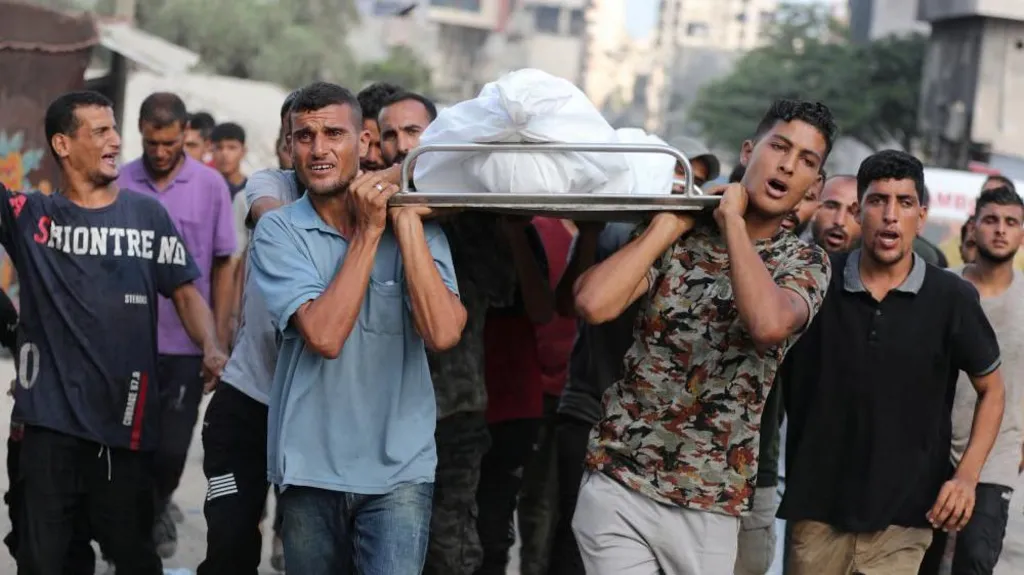
The U.N. commission found that four of these five categories had been committed in Gaza. Its analysis considered the combined effects of military operations, the siege and restrictions on humanitarian assistance, the destruction of health and education systems, forced displacement, sexual and gender-based violence, and attacks affecting children, religious, and cultural sites.
Amnesty International reached a similar conclusion in December 2024. Its investigation examined Israeli conduct over a nine-month period, interviewing 212 people and analyzing eyewitness accounts, satellite imagery, and other digital evidence. The organization concluded that there was sufficient evidence to determine that Israel had committed and was continuing to commit genocide against Palestinians in Gaza. Amnesty International’s investigation detailed the relationship between civilian deaths, widespread destruction, displacement, and restrictions on essential supplies.
These findings focus on a critical issue: the cumulative effect of military operations and government policies on the survival of a civilian population.
A hospital destroyed or rendered inoperable is not merely a damaged building. It can mean that a premature infant cannot receive specialized care, that a wounded person cannot undergo surgery, or that a patient with a chronic illness loses access to life-sustaining treatment.
A water system that no longer functions can expose thousands of people to dehydration and disease. A destroyed bakery, agricultural area, or food distribution network can turn an already vulnerable population’s struggle to eat into a prolonged emergency.
And when families are repeatedly ordered to leave one area for another without adequate shelter, sanitation, food or security, displacement becomes more than a temporary interruption of ordinary life.
The legal question is whether such acts, considered alongside the evidence of intent, satisfy the definition of genocide. The U.N. commission concluded that they do.
Food insecurity remains one of the most urgent dimensions of Gaza’s humanitarian crisis.
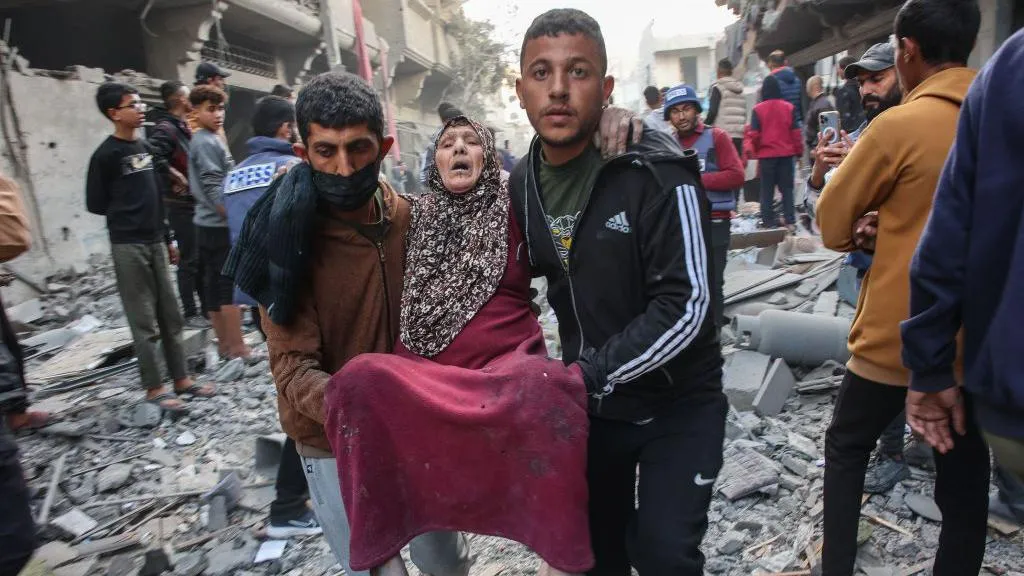
On Oct. 19, 2026, the World Food Programme announced major reductions in assistance because of a $450 million funding shortfall. The agency said it would reduce the number of people receiving monthly food assistance in Gaza from 1.6 million to 1.1 million. It also halved food rations, cut cash assistance to 75,000 families, and reduced daily hot meals from 250,000 to 150,000.
The WFP reported that approximately 1.4 million people faced crisis-level food insecurity or worse, including roughly 200,000 in emergency conditions. These figures reflect conditions reported by the agency at the time, rather than a finding that every affected person was experiencing famine. Reuters reported the cuts and the agency’s warning on Oct. 19, 2026.
The immediate cause of these latest reductions was a funding shortfall, illustrating that the humanitarian emergency has multiple contributing factors. But the consequences are unfolding in a territory already devastated by war, displacement, and disrupted access to essential goods.
The U.N. has also warned that restrictions and interruptions affecting commercial supplies can undermine progress in reducing malnutrition. UNICEF reported in October 2026 that acute malnutrition remained a serious concern, that only one in three children under 2 met minimum dietary diversity, and that approximately 800,000 children remained displaced in unsafe shelters. Reuters reported UNICEF’s warning on Oct. 16.
The distinction between humanitarian need and criminal intent is important. Food shortages alone do not establish genocide. But deliberate deprivation of food, water, medicine and other essentials can constitute an underlying genocidal act when accompanied by the specific intent required under the convention. Such conduct may also violate international humanitarian law independently of whether genocide is ultimately established in court.
That is why the circumstances surrounding access to aid, the decisions of Israeli authorities and the consequences for Palestinian civilians require sustained scrutiny.
Children are among the most vulnerable victims of the conflict as they depend on adults and public institutions for food, shelter, medical treatment, education, and protection. When those systems collapse, children experience the consequences in immediate and lasting ways.
The U.N. commission’s findings addressed the disproportionate harm suffered by children and the destruction of the systems that sustain civilian life. Humanitarian reporting continues to describe widespread displacement, malnutrition, and unsafe shelter conditions.
For a child who has lost a parent, home or school, the effects of war cannot be measured solely by whether a ceasefire is in place. Trauma, interrupted education, physical disability, and prolonged nutritional deprivation can shape an entire lifetime.
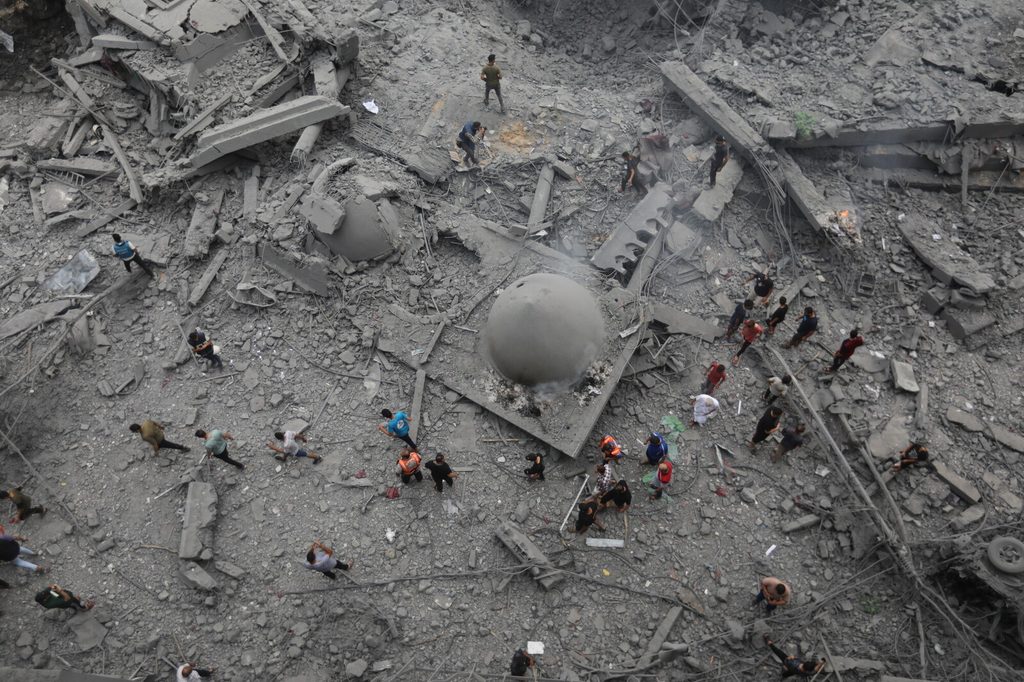
The destruction of schools and universities also affects Gaza’s future as education is not simply an optional service to be restored when the fighting ends. It is a means by which a society preserves knowledge, prepares professionals, and rebuilds its institutions.
The same is true of hospitals, water systems, sanitation networks, and public infrastructure. Their destruction creates cascading consequences long after a particular military operation has ended. These harms are relevant to the genocide debate because the convention protects the continued existence of a group, not merely the lives of individuals at the moment of an attack.
Genocide is among the gravest crimes recognized under international law, but its legal definition is specific.
The 1948 Genocide Convention requires proof of at least one prohibited act and the specific intent to destroy, in whole or in part, a protected national, ethnic, racial, or religious group as such. Mass killing, forced displacement, war crimes, and crimes against humanity are not automatically genocide, although the same conduct can fall into more than one legal category.
The requirement of specific intent makes the assessment particularly demanding. Investigators examine patterns of conduct, the scale and nature of destruction, the effects on the protected group, and statements by officials, among other evidence. In September 2025, the U.N. commission concluded that both the prohibited acts and the required intent were established in Gaza. Amnesty International had reached a similar conclusion in its earlier investigation.
The International Court of Justice, however, has not yet issued a final judgment on South Africa’s claim that Israel violated the Genocide Convention. The ICJ’s provisional measures in the case are legally distinct from a final determination of responsibility. They address the need to protect rights at issue while proceedings continue; they do not, by themselves, constitute a final ruling that genocide has occurred.
As of October 2026, the case remains active. The court’s procedural schedule provides for South Africa to submit its reply by Nov. 22, 2027, followed by an Israeli rejoinder due by May 22, 2029. The ICJ’s official case page records the ongoing proceedings.
The distinction does not make the U.N. commission’s conclusion insignificant. It means readers must understand what each institution has determined and what remains to be adjudicated.
The Israeli government rejects the accusation of genocide and has argued that its military campaign was directed at Hamas following the Oct. 7, 2023, attacks, during which Hamas and other armed groups killed civilians and took hostages. Israel maintains that its objective was to dismantle Hamas’s military and governing capabilities and protect Israeli citizens.
The Oct. 7 attacks and the hostage-taking were serious crimes, and the civilians who suffered them are entitled to justice. Their suffering, however, does not remove the protections owed to Palestinians under international law.
A state’s right to protect its population does not permit indiscriminate attacks, collective punishment, starvation of civilians, or other prohibited conduct. Nor does identifying an armed group operating in civilian areas eliminate the obligation to distinguish combatants from civilians and to take feasible precautions to limit civilian harm.
Israel’s stated military objectives are relevant to assessing intent, but they are not conclusive by themselves. Equally, the catastrophic scale of destruction does not automatically settle the legal question without examining evidence against the elements of the crime.
The U.N. commission concluded that Israel’s conduct and statements by senior officials supported a finding of genocidal intent. The Israeli government’s rejection of that conclusion and its stated military objectives are part of the dispute that must be evaluated against the evidence.
The central issue is not whether Israelis have a right to security or whether Hamas committed crimes. It is whether the Israeli state and its officials have complied with the law governing the conduct of war and their obligations under the Genocide Convention. Those questions must be answered on their own merits.
The crisis affecting Palestinians extends beyond Gaza. In their Oct. 15, 2026, humanitarian report, OCHA documented five Palestinians killed and more than 240 injured by Israeli forces or settlers over a two-week period in the West Bank. It also recorded more than 160 olive harvest-related settler attacks resulting in casualties, property damage, or both.
The report described demolitions that displaced 96 Palestinians over two weeks, including a major demolition incident in East Jerusalem.
These developments must be examined in their own geographic and legal contexts. The U.N. commission’s genocide determination focused on Palestinians in Gaza from October 2023 onward, while also expressing serious concern about the implications of Israeli authorities’ and security forces’ conduct elsewhere in the occupied Palestinian territory.
Not every act of violence, settlement expansion, displacement, or property destruction constitutes genocide. Nevertheless, the broader conditions facing Palestinians are relevant to understanding the conflict, the protection of civilian populations, and the international community’s obligations under international law.
The rights of Palestinians in Gaza and the West Bank cannot be treated as separate from the broader question of whether they can live safely, exercise political self-determination, and remain in their homes.
International institutions have repeatedly called for civilian protection, humanitarian access, and compliance with international law. Yet the continuing humanitarian emergency demonstrates the limitations of declarations that are not accompanied by effective action.
Accountability requires independent investigations, preservation of evidence, protection for witnesses, and meaningful legal proceedings. It also requires governments to examine whether their arms transfers, military cooperation, and diplomatic decisions are consistent with their international obligations.
States that are parties to the Genocide Convention have obligations to prevent and punish genocide. The duty to prevent arises when a state knows, or should normally have known, of a serious risk that genocide will be committed. The precise measures required depend on the circumstances and on each state’s capacity to influence the situation.
This responsibility is not limited to deciding whether to issue a public condemnation, and it requires states to use lawful and available means to help prevent the crime, while respecting their other legal obligations. Humanitarian assistance must also be sufficiently funded and consistently delivered. The WFP’s October 2026 funding crisis demonstrates how quickly vulnerable families can lose access to essential food even after a reduction in fighting. Emergency aid cannot substitute for a durable political settlement, but without it, the consequences of the war will continue to deepen.
The international community must also support the reconstruction of Gaza’s hospitals, schools, housing, water networks, and other civilian infrastructure. Reconstruction cannot succeed without reliable access to materials, secure working conditions, and arrangements that protect civilians from renewed displacement and violence. Ultimately, accountability must extend to individuals found responsible for crimes, regardless of their political office, military rank, or nationality.
The destruction in Gaza has produced a legal question with consequences far beyond the Israeli Palestinian conflict: What does the international prohibition on genocide mean if credible findings of genocide do not lead to effective efforts to protect the population at risk?
The U.N. commission has concluded that Israel committed genocide against Palestinians in Gaza. Amnesty International reached a similar conclusion. Meanwhile, the ICJ proceedings continue, and Palestinian civilians remain exposed to violence, displacement, and severe humanitarian deprivation. These are distinct facts and legal developments, but together they present an urgent challenge to the international system established after the Holocaust and the mass atrocities of the 20th century.
The Genocide Convention was intended to establish that the destruction of a protected group is not merely an internal matter for the state responsible. It is a crime that concerns the international community as a whole. If that principle is to have practical meaning, evidence must be investigated, court orders must be respected, humanitarian needs must be addressed, and those responsible for crimes must face accountability through lawful processes.
Palestinians do not need to prove their humanity through the scale of their suffering. Their rights do not depend on the outcome of a court case, and civilian protection is not contingent on the political sympathies of governments abroad.
The immediate priorities are clear and should include protecting civilians, sustaining humanitarian assistance, preventing further displacement, restoring essential services, and ensuring that credible allegations of international crimes are investigated impartially.
The final legal judgment on South Africa’s genocide case remains outstanding, but the absence of that final judgment is not a reason to ignore the U.N. commission’s findings or the humanitarian emergency documented by international agencies.
For the people of Gaza, the question is not only what the world will call this catastrophe. It is whether the world will act effectively enough to prevent further loss of life, establish accountability, and make a future in which Palestinians can live with dignity and security.
I reached out to the Israeli embassy in Washington D.C., but they did not respond to a request for comment.
Share this content:











Post Comment