
I Quit YouTube for 30 Days. Here’s What Changed.
By Isaac Kereakos
Writer/Reporter
Like many people my age, I go on YouTube quite often. There is so much content that I love watching on the platform. Whether it’s videos on gaming, cooking or just watching scenes from movies and shows that I enjoy, YouTube plays a big role in my day-to-day life. Unfortunately, I didn’t realize how big a role it had until this year, when I started to notice that the platform had actually been taking a toll on me for quite some time.
The Negative Effects YouTube Was Having on Me
It’s well known that studies have linked social media use to negative mental-health effects for some users, but I never thought I was going to experience it firsthand. I also never thought my mental health had been drained for a few years because of it. YouTube has always been the social media platform where I’ve spent the most time, as I don’t have accounts on other powerhouse platforms such as Instagram or X.
I started to notice the negative effects YouTube was having on me when I began to feel either really depressed or stressed out after spending time on it. I would watch videos about recent scandals involving big YouTubers, read community posts from major media organizations about recent shootings or murders, or even just glance at all the thumbnails on my feed showing emotional and turbulent court cases. There is an endless amount of doom and gloom on that platform, and I was just eating it all up.
Now, I understand that one reason so many sad or depressing videos like the ones I mentioned above were being recommended to me is because I had watched related videos before. But the problem I had with YouTube’s algorithm was that whenever I watched a certain number of videos about a specific topic, my feed would eventually become flooded with those types of videos. No matter how many times I clicked the three dots next to a thumbnail and told YouTube that I was not interested in those types of videos, I kept getting them because that was all the algorithm had for me.
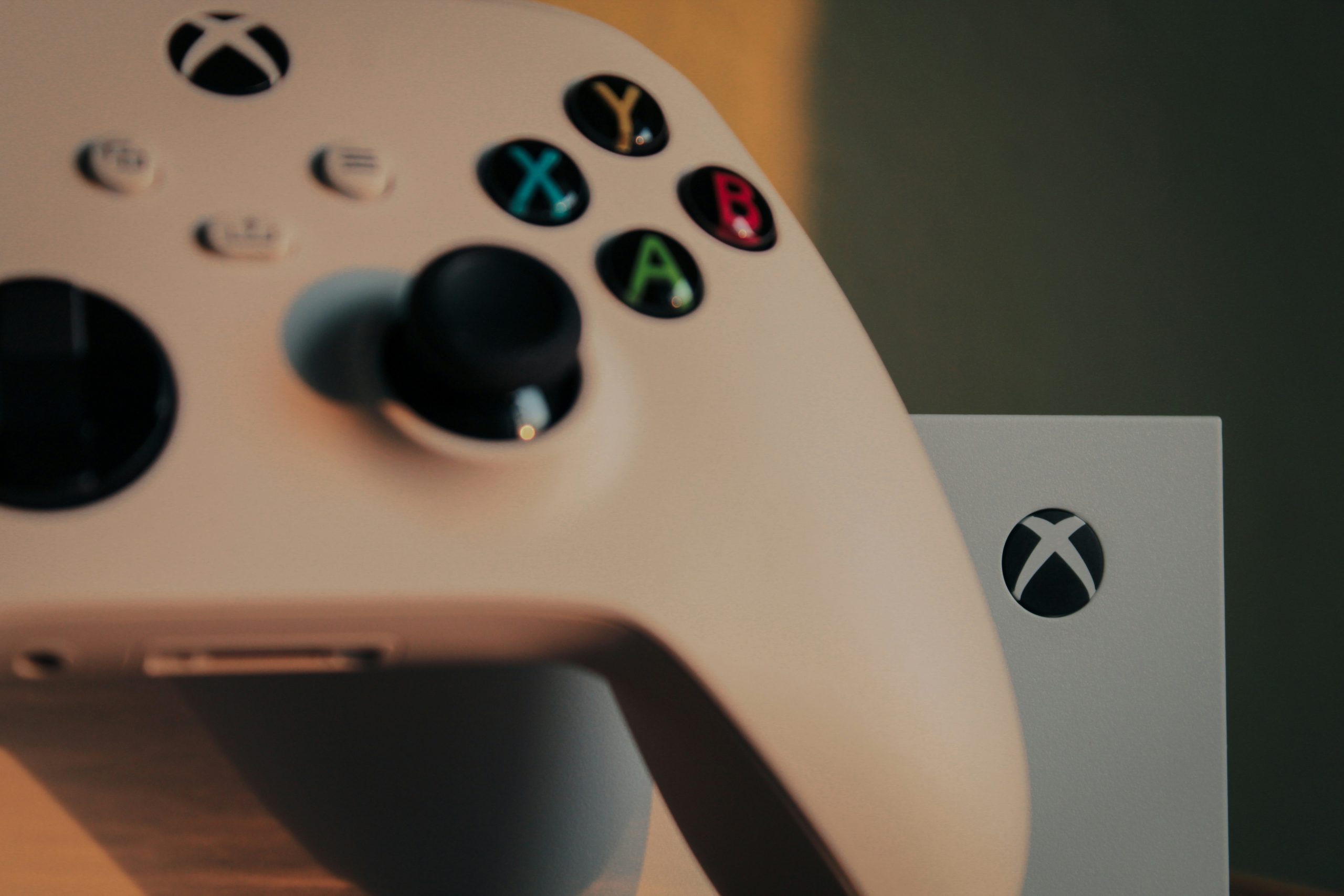
Another thing that was really starting to get to me was all the negativity on the platform. Now, this isn’t just a YouTube thing, as it goes for all types of social media. I’m just talking about YouTube because that’s the main platform I use. All over YouTube are opinions, and what’s great about our country is that freedom of speech exists, which allows people to have their opinions. But it was hard to get excited about something I was looking forward to, like a trailer for a game, for example, and then see the comments absolutely flooded with overwhelming amounts of negativity and people calling it trash without a really good reason.
It was hard to see a community post designed to hype up an athlete or celebrity I liked and then see people in the comments making fun of that person by saying that they were garbage or something else negative. The thing that probably triggered me the most, though, was when someone would state their opinion about something in the comments, like saying what their favorite movie is, and people would go out of their way to reply and tell them that their take was terrible and, therefore, that person was too.
I cannot stand when people don’t let others have their own opinions and have to tear them down simply because they have a difference of opinion. I know that last sentence sums up the entire internet in a nutshell, but it triggers me. It was really starting to get to me, to the point where I was second-guessing all the things I liked because of the flak they would catch from YouTube commenters. I know I didn’t have to read any of these comments, but for some reason, I could never help myself.
The aspect of YouTube that served as the straw that broke the camel’s back for me was how much I felt the platform had damaged my attention span. There have been countless reports and studies that have linked frequent short-form-content use with attention difficulties, and that was the main reason why I avoided TikTok like the plague. I figured that if I avoided the platform that mainly puts out short-form videos, my attention span would remain intact. But YouTube pushes its short-form videos on users so much that it was very easy to fall into the trap of doomscrolling on the website.
YouTube Shorts started taking over my life so much that I would unconsciously open the YouTube app on my phone and start scrolling through Shorts, only to suddenly find that I had spent two hours watching videos on a feed filled with brain rot, content designed to make people angry and AI-created Shorts. My attention span got so bad that whenever I was working on homework or writing an essay, I had to stop what I was doing every five minutes to go watch a few videos on YouTube.
Another thing to note was that whenever I watched a long-form video, I almost never watched it in full screen. I would find myself either scrolling through the recommended videos on the right side of my screen or scrolling through the comments. For me, YouTube was hurting my attention span.
I Took a Month Off YouTube
At the end of August, I decided that enough was enough and made the decision to stay off YouTube for the next 30 days. I was sick and tired of wasting so much time on a platform that really wasn’t doing anything positive for me, and I knew I could be doing much more productive things, such as completing schoolwork or getting personal projects done.
I uninstalled YouTube from every one of my devices—laptop, phone and tablet—and figured that if it was out of sight, it would be out of mind. I also figured that this challenge would be quite easy to complete. Well, it actually ended up being more difficult than I thought because I realized I had developed a habit that was difficult to break.
During that first week of not going on YouTube, I found myself unconsciously going onto Reddit, which was strange for many reasons. First, I’ve never had a Reddit account in my entire life. Second, I don’t go on Reddit in general, yet I somehow found myself floating over to it a lot during the first few days of this challenge.
I realized that the main reason I was going on Reddit was to get my social media fix and fill in the hole that YouTube had previously occupied. I was basically using it as a substitute because I had trained myself to constantly search for people’s opinions on the internet. I was happy that I recognized that and nipped the issue in the bud as soon as possible.
Once YouTube, and now Reddit, were eliminated completely from my day-to-day schedule, I found myself improving in a lot of ways. My attention span started to increase now that I had fewer distractions holding me back, and I was able to get more schoolwork done in a timelier manner.
Also, now that I wasn’t wasting my time watching YouTube Shorts, I had a lot more time to work on some personal projects that I’d been pushing to the side for a while. I’ve been writing a book for a long time now, but I kept losing focus on it because my mind was constantly elsewhere. When I couldn’t concentrate, I would click on the tab where YouTube was open and binge for an hour, completely wasting time and making no progress on my book.
But now that my biggest distraction was taken care of, I was able to get more work done on my book and found the project more fun than it had felt in a while. Another thing I was able to do was use my downtime much more wisely by doing stuff I would much rather do than waste time doomscrolling. Instead of watching mindless videos on the internet, I read comics, went for walks and played video games. Those aren’t necessarily productive things, but they were activities I enjoyed, and I was happy to get back into doing them.
After my 30-day window was up, I went back on YouTube to see if there were any important videos I had missed from my favorite creators or any high-profile stories I needed to catch up on. Not only was there not really anything of substance that I had missed during that month when I was YouTube-free, but I also found myself not having much interest in being on the platform. I noticed that I was already planning what I was going to do next almost as soon as I went on YouTube.
As I’m writing this now, it seems like my challenge has rewired my brain enough that I don’t feel the need to constantly go on YouTube anymore to get that “fix” that used to keep me going. Because I forced myself to do other activities, that need for YouTube has now been replaced by my desire to do other things, like write my novel or read an X-Men comic. The latter is exactly what I did about five minutes after exploring the platform I gave up for 30 days.
Final Thoughts
Now, by no means is this article meant to bash YouTube and proclaim that it is a cancer to society. YouTube and social media in general have their uses. They can be career paths for some people and allow users to interact in unique ways while keeping up with current topics.
However, I do feel like social media can be detrimental to our health to some degree. That’s why I’m posing a challenge to everyone who reads this article: See if you can eliminate a social media app from your life for a specific amount of time. Whether it’s YouTube, Reddit, Instagram or another platform, see if you can go at least a week without using it.
If you want to make the challenge harder, either increase the amount of time to a month or two or stop using multiple platforms instead of just one. Obviously, if you need these platforms because they are integral to work or school, or they are the only way for you to contact friends and family, then don’t do this challenge because it will have the opposite of its intended effect.
But if you feel like you have an inkling of an addiction to a social media platform, or you just want to see what a social-media-free life is like, then do this challenge. I think it will do you a world of good.
Share this content:




Post Comment