Why I keep returning to Isaac Asimov
By R.J. Melby
Writer/Reporter
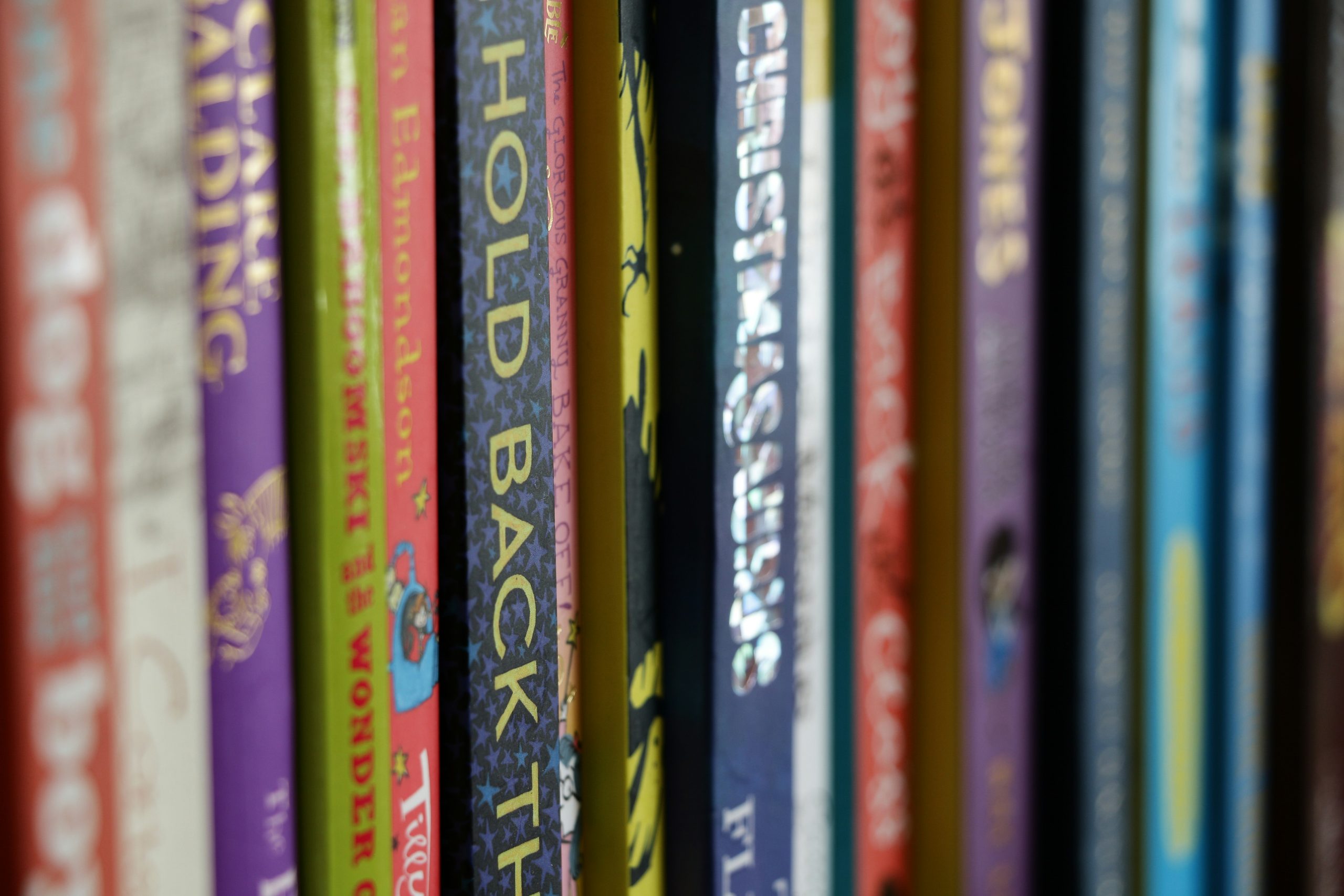
Like many, I grew up reading science fiction and fantasy. Something about magic, time travel, monsters and robots really grabbed my younger self, opening a wide world of possibilities. A lot of that passion still influences my work. Looking through my own bookshelf, few authors have had the same impact or range as Isaac Asimov.
According to Erik Gregersen’s biography in Encyclopaedia Britannica, Isaac Asimov (1920-1992) was a science fiction writer known for works such as “I, Robot” and the Foundation series, but he wrote many other books and short stories. His works have been adapted for film and television and inspired countless science fiction writers. He is perhaps best known for putting forth the Three Laws of Robotics, a device he used in many of his robot stories to create intriguing thought experiments. Besides writing science fiction, he also wrote mysteries and science books. The man was a writer with a capital W, churning out millions of words until his death.
I discovered Asimov when I was 13 through a documentary series on Netflix called “Prophets of Science Fiction.” I remember carrying a mass-market paperback copy of “I, Robot” around at my freshman high school assembly, my mind buzzing with the possibilities put forth by his stories. I clung to that book while navigating the bleachers and trying to adjust to the new environment.
Whenever I go back to reread Asimov’s stories, what surprises me is their strict adherence to the rules set in the universe of each piece. Many of Asimov’s robot stories operate under his Three Laws of Robotics, and it is through these that many of his plots develop. The way he played with what-if situations to develop a narrative never ceases to impress me.
One particular piece, titled “Liar!” and published in 1941 in Astounding Science Fiction, represents an excellent example of the way Asimov explored an idea. The story opens with a group of humans discussing a robot named Herbie that is rather unique: It can read minds. At first, each person thinks they can take advantage of this ability. However, they eventually discover that the robot tells them what they want to hear because its obligation to avoid harming humans includes emotional pain. If the truth would hurt someone’s feelings, the robot makes up something else. When Susan Calvin confronts it with the contradiction that both lying and telling the truth can cause harm, it breaks down and ceases functioning.
Asimov often depicted the funny way humans think.
Looking back, I liked the positive outlook on the future, similar to Gene Roddenberry’s in “Star Trek,” depicting a better humanity. It was refreshing compared with the more cynical futures I encountered in works by writers such as H.G. Wells, where humanity seemed doomed to devour itself. With the science fiction market as saturated as it is, Asimov’s thumbprint on the genre will always be present.
Share this content:







1 comment